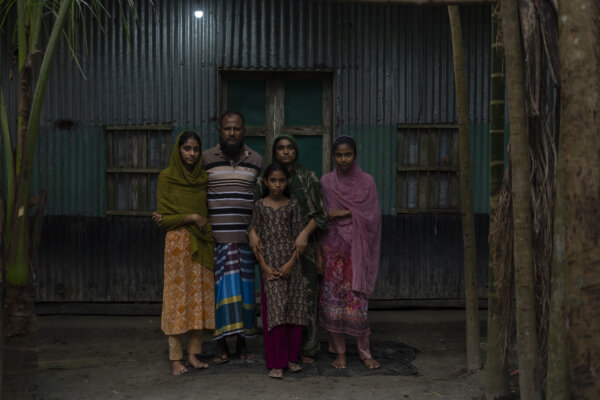
On 10 December 2025, International Human Rights Day, we were honoured to host an exhibition of renowned anthropologist and documentarian Mosfiqur Rahman Johan’s work at the prestigious Whitechapel Gallery in London.
Together, we showcased the resilience of seven individuals wrongly convicted and subjected to the horrors of death row in Bangladesh. All of them had spent years, sometimes over a decade, in deplorable conditions of solitary confinement before being acquitted and released.
Absorb the stories of the seven individuals included in our exhibition.
Sheikh Zahid | 20 years
Sheikh Zahid holds a small photograph – edges worn, colours faded, time etched onto its surface. “This was taken the day I was sent to jail,” he says, after spending 20 years on death row.
A condemned cell is 10 feet by seven feet. There is an iron door and no window. Light and wind don’t come in. Sometimes, during the night, there were four or five people in the same cell. There were insects in the rice, insects in the lentils. Every time someone was taken for hanging, I thought, this might be my last meal. That fear never left me.
During those long years behind bars, Sheikh Zahid lost everything. His parents passed away while he was still in the condemned cell. The government did not allow him to attend their funerals. “My relatives came to see me in the prison, but the prison authorities didn’t let them in. They did not even allow the news of the death of my father to reach me.”
When he was released, Sheikh Zahid was allowed to take some items from his cell with him, including his bowl, and a bag he had made himself from a pair of trousers.
“It has been two and a half years since I left prison, but I still have not found a way out. Sometimes I feel like suicide is the way. But suicide is a great sin. I have no place here and I will have no place [in the afterlife] either. I have a lot of thoughts like that.”

Anwer Hossain | 17 years
“I was arrested on April 5, 2005, at Kamalapur Railway Station. They said it was for an ‘unknown murder’ but I had done nothing. They forced confessions from me, using electric shocks, beatings and poured water over my face. They even held a pistol to my head while demanding that I admit to things I had never done.”
For 17 years, I was a prisoner of lies – trapped in a system that punished the innocent.
Despite his innocence, even in freedom Anwer Hossain has faced social isolation. “When the news was broadcast in the media, my family learned that I was in jail, and they came to see me. But when they found out I was accused in a murder case, people in society began avoiding us. My family faced social repercussions—they couldn’t sustain themselves. They sold their property, moved elsewhere, and no longer came to visit me.
I tried to start anew, but people avoided me. Whispers followed me everywhere; my past cast a long shadow. I eventually moved, where no one knew of the years I had lost. There, I could breathe, rebuild, and survive in quiet anonymity.
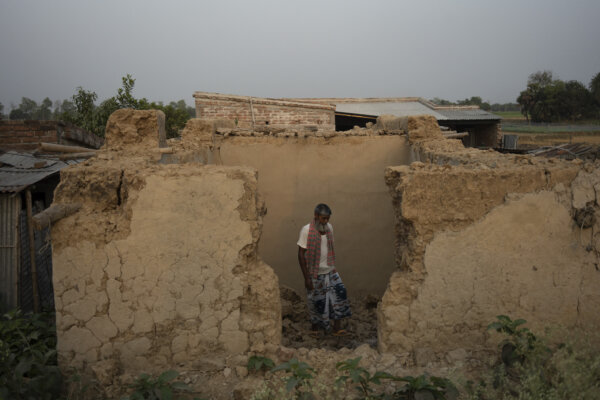
Sonaruddi | 14 years
“The day I was sentenced and sent to the condemned cell, I entered the room and burst into tears. There were no windows, only a door. How could I survive in this room?
“Before I knew it, fourteen years had passed. Whenever I saw an innocent person executed, I felt utterly helpless. They had done nothing wrong, just like me. I realized one day, I too might die here. For fourteen years, I faced death at least once every day.”
Listening to others’ stories, I used to wonder how anyone could stay in such a tiny room for three or four years. Yet, I endured fourteen.
Ismail Hossain | 14 years
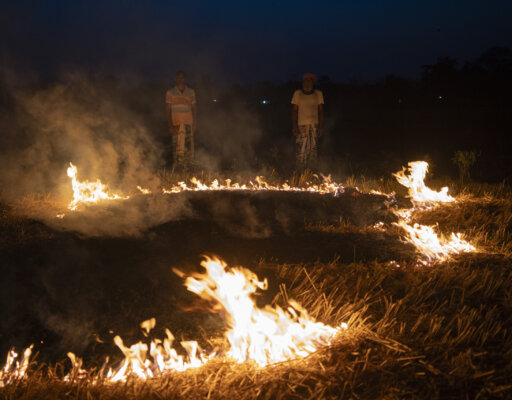
“During all those years in the condemned cell, it felt like dying once every single day. I could almost see the noose hanging in front of me, swirling over my throat. For 14 long years, I never saw the stars in the evening sky. After getting released I saw the open sky, moon and stars. Even though I was innocent, I had lost hope.”
Sonaruddi and Ismail Hossain were sentenced to death for the same crime and shared a cell for all of the years they were imprisoned. They were neighbours before their ordeal, but now, they are like family. Together, they continue to endure the repercussions of their wrongful conviction: even after release they have faced social isolation.
After losing 14 years of our lives, what did we get in return? Only disgrace.
“I believe even if someone has committed a crime, the death penalty can’t be the punishment. If someone commits a murder and, once again, we are killing, what is the purpose?”
Majeda Begum | 6 years
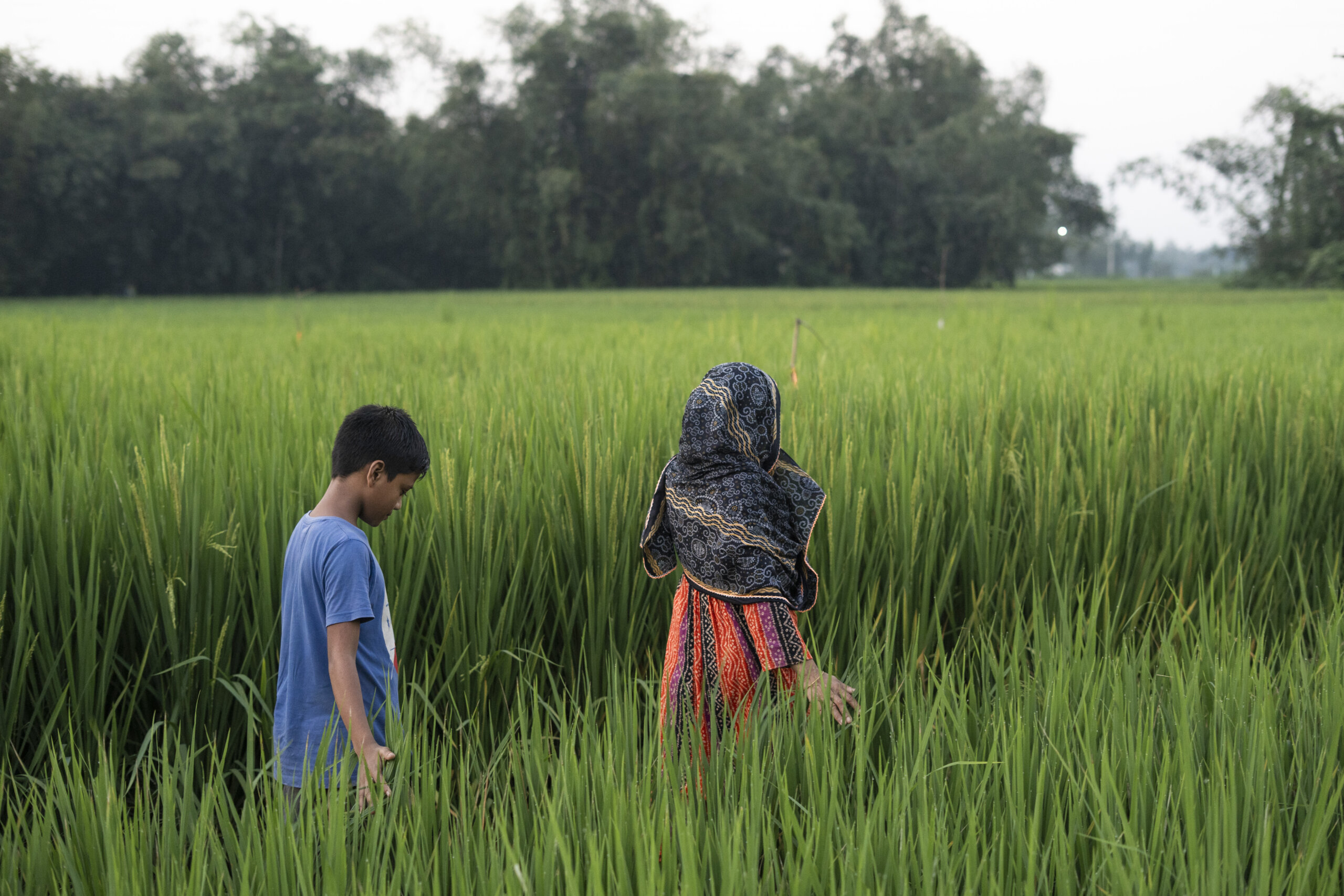
Majeda spent six years on death row after police tortured her and threatened to rape her and kill her baby unless she confessed to a murder she did not commit. Her infant son, Maruf, lived with her behind bars, taking his first steps and learning to talk in the condemned cell.
Now free and cleared of all charges, Majeda is rebuilding her life for her children. But years of isolation, despair, and the constant fear of execution have left deep scars.
Mohammad Nasir | 8 years
The police tortured us like hell. They beat our arms and our legs brutally, then they hung us from the ceiling fan. After beating, they obtained a confession from us – they told us to sign a paper, and said ‘if you sign, you will be released.’ I said, ‘Sir, I will accept whatever you say. I will sign it, just let me live.’ My condition was very serious; I couldn’t even walk. My legs were beaten until they were fractured.
Mohammad Nasir was admitted to hospital for three months as a result of his injuries, before he was returned to prison.
On many occasions, Mohammad Nasir and others in his condemned cell were weighed and measured for hanging. The prison guards would take a month to prepare for an execution. “Then, everyone would get panicked. They isolate the person one week before.”
Sanaullah | 8 years
Even after the High Court found Sanaullah was wrongfully convicted, the judgment letter required for his release was not issued to the prison authorities for another two and a half years – meaning Sanaullah was forced to stay on death row during that time.
Returning to his wife and three daughters after eight years, Sanaullah was confronted by how his death sentence had impacted his entire family. “My whole family suffered along with me. My pharmacy business closed. There was no source of income. How they lived, what they ate for eight years, I don’t know.”
To whom can I ask for justice? And who will serve justice?